Pages

Showing posts with label plastic. Show all posts

Thursday, September 26, 2019

Plastic is Deadly

Young Northern Fur Seal tangled in a nylon rope and dragging nets, cables, and fishing wires, doomed to die of hunger.
While plastic items in our daily lives are designed for one-time use, they have a long life span, usually up to 1,000 years.
Plastic is also deadly. People consume thousands of plastic articles each year, which damage our health, especially our immune systems. Plastic particles are even in the air we breathe, floating in the remotest places from fields to mountains.
For many animals plastic is lethal. Sea birds get caught in plastic fishing line and starve to death. Small mammals choke and die in 6-pack plastic rings. Dolphins and whales swallow plastic particles that block up their bodily systems. Sea turtles suffocate in plastic bags and floating debris prevents them from surfacing for air.
Luckily, as awareness grows, people are working to clean up plastic in the environment. New types of safe, biodegradable plastic are also coming on the market. We have a very long road ahead, but with more awareness and countries working towards a common goal, we have a more hopeful future.
plastic pollution, wildlife, animals, plastic in our lives

Marine Animal Custom Gifts: Framed Prints, Tote Bags, Note Books, and More…

Friday, June 1, 2018

Plastic Pollution in Our Oceans: Stock Photography

While plastic has given much to modern society, like inexpensive products and durable packaging, it's also had disastrous consequences.

A recent study from Georgia University found that 18 billion pounds of plastic are dropped into the ocean each year. This has resulted in massive islands of waste forming at sea that destroy aquatic life and poison the water. One such island in the Pacific now equals the size of Texas.

Stock Images of Our Polluted Oceans

The chemicals in plastic often enter into fish's stomachs, making them potentially harmful to the animals that eat them, including people. "I don’t think we should be waiting for a key finding of whether or not fish are hazardous to eat,” says biologist Richard Thompson. “We have enough evidence to act.”

Georgia University reports that only a fifth of all plastic is ever recycled. The problem lies mostly in developing nations but extends globally. Major cities often create landfills by waterways where plastic blows out onto the water and eventually out to sea.

Ocean Wall Art

“Everyone is looking for a sexy answer," Ted Siegler, a resource economist, remarks. “The reality is, we need to just collect the trash."

Hope lies ahead, as countries develop more efficient systems of recycling, but in the meantime, Mother Nature is left paying the lofty price.

Find out how you can help at Earthday


  • nationalgeographic.com
  • earthday.org

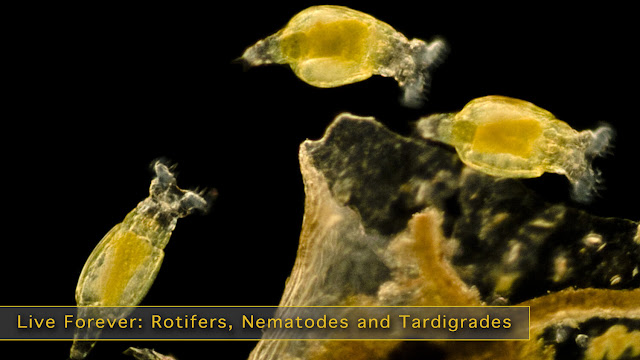
Rotifers, Nematodes and Tardigrades Stock Microscopic Photography

 Roti fers (Philodina sp.), Light Micrograph The bdelloid rotifer, found in freshwater habitats all over the world, is able to withstand ex...