![]() |
| Photograph of a normal human brain and a 3D illustration of a human brain. |
SCIENCE SOURCE NEWS: Brought to you by Science Source, your source for stock science and photography, medical illustration, and video.
Monday, September 17, 2018
The Beauty of Illustration in an Age of Photography
Monday, August 13, 2018
Monday, August 6, 2018
Wild Weather & Climate Change
As levels of CO2 in the atmosphere rise from man-made emissions, the likelihood of extreme weather is increasing. Over recent decades, scientists have seen a trend of increased storm activity along with higher temperatures.
Stock Images & Stock Video of Wild Weather
Drought, flooding, deadly hurricanes, and tornadoes are now more common around the world. Along with loss of life and property, animals are also struggling to survive.
Hurricanes, also called typhoons or cyclones, form near the equator, over warm ocean water. As the water evaporates, it creates clouds that rise, allowing cooler air to swirl in beneath them.
As the ascending air cools, it descends, creating moving air masses. The earth's rotation moves them, making the system spin faster. Eventually, the air speeds up and an area of calm air forms in the center, called the eye of the hurricane.
The system continues to move over warm water, picking up more evaporated water and growing stronger.
When a tropical storm reaches 74 mph or higher it becomes a hurricane. Speeds beyond 157 mph or higher make it a category 5 or Catastrophic Storm.
2017 was the costliest hurricane season on record with estimated damages at $282.16 billion. It was also amongst the most active, featuring several category 5 hurricanes.
Art Prints of
Wild Weather Images
Worldwide, heavy rains, tornadoes, floods and other forms of extreme weather continue to increase.
In the Atlantic, hurricane season is from June 1st to November 30th with peaks in August, September & October. If you live or are traveling in the area, stay alert to warnings from your local weather service and be prepared.
globalchange.gov
scientifiamerican.com
e360yale.edspaceplace.nasa.gov
bbcnews.com
scientifiamerican.com
e360yale.edspaceplace.nasa.gov
bbcnews.com
Monday, July 30, 2018
Phytoplankton & CO2
One group of creatures produces 70% of the earth's oxygen and also consumes carbon dioxide at an amazing rate. They are phytoplankton, and most are tiny single-celled organisms.
Phytoplankton come in many shapes and forms. The majority are single-celled plants, but some are bacteria and others are protists. Common types of phytoplankton are cyanobacteria, green algae, diatoms, dinoflagellates, and coccolithophores.
Phytoplankton plays an important role in human life in that they produce 70% of the oxygen we breathe. A much greater amount than terrestrial plants.
They are part of the carbon cycle, as they consume atmospheric carbon dioxide (CO2). CO2 resides naturally in the atmosphere, but human beings, mostly through the burning of fossil fuels, have released ever greater amounts into the atmosphere.
Stock Images and Stock Video of Phytoplankton
Along with CO2, phytoplankton need sunlight and other nutrients to survive.
At certain times, phytoplankton grow at an explosive rate over the course of days or weeks, creating what is called a "bloom." These blooms may last several weeks, even though an individual phytoplankton lives only for a few days. Despite being of a microscopic size, Phytoplankton blooms are so large they are clearly seen and photographed from satellites.
Aside from providing oxygen, phytoplankton are a major part of the food chain which includes everything from tiny zooplankton to shrimp, jellyfish, fish and whales.
Plankton Beach Towels, Tote Bags and More
Sometimes, phytoplankton can produce biotoxins, killing marine life and people who eat this marine life. "Red tides" are a type of toxic algal bloom. Once the bloom is over, the bacteria feeding on the dead phytoplankton deplete the oxygen in the water, thereby suffocating other animals.
These tiny creatures are truly a fascinating link in the chain of life.
www.diatoms.org
earthobservatory.nasa.gov
oceanservice.noaa.gov
Monday, July 23, 2018
Fun With Chemistry
One of the more fun classes in high school was chemistry lab, especially on the days when you made things explode or catch fire...on purpose.
Relive those good old days with our videos of exploding chemistry experiments.
Stock Videos of Exploding Chemical Reactions
The Barking Dog experiment and the Rainbow Clock were very popular. But it's hard to beat the surprisingly loud explosion of a nitrogen triiodide explosion when it's touched lightly by a feather.
And no one expects a tiny piece of metal dropped into water to steam, hiss, dance about and eventually explode, but lithium (Li), sodium (Na), potassium (K), rubidium (Rb), and caesium (Cs) do exactly that.
Gifts for the Chemistry Geeks
Here's what happens in each reaction:
Let's check what happens if we would drop a pea-size piece of metal in water.
Lithium just sizzles on top of the water, but doesn't explode.
Sodium floats on top of the water, then ignites with a yellow-orange flame and also doesn't explode.
Potassium floats and skitters around violently, then ignites with a violet flame, and explodes.
Rubidium sinks, reacts very violently and then explodes.
Caesium explodes on impact with the water giving off a huge cloud of smoke.
Kinda makes you want to go back to school and study chemistry again.
Tuesday, July 10, 2018
The Energy Revolution
Renewable energy is sweeping the globe, changing our economies and the way we impact the environment.
Wind farms and solar panels now power large parts of developed countries and hydropower is constantly innovating, becoming more efficient and cost-effective. Tesla's SolarCity recently released a new solar power roof, and there is talk that one-day solar panels might replace household windows, potentially reducing electric bills and carbon footprints to zero.
Since 2014, both the United States and the European Union have reduced their CO2 emissions, and many other developed nations have seen their emission rates decline or stabilize. Although some of this is due to stagnating economies worldwide, officials confirm that much of it is a result of the rise of natural gas, solar energy, and wind power.
Nature Prints, Cell Phone Cases and Hand Bags
The cost of renewable energy has also decreased, outpacing even the decline in gas prices, making it an effective solution for developing nations and new economies. Globally there are about 7.7 million jobs associated with renewable energy, and worldwide investment for renewables reached US$286 billion in 2015.
Despite the good news, it's still unclear whether the world will reach the energy goals set by the Paris Agreement of 2016. The International Energy Agency estimates that renewable energy will only increase by 3% by 2021. The U.S.'s withdrawal from the Paris Agreement and the U.K.'s defunding of local renewable projects are both setbacks for the Agreement but not necessarily fatal.
For the energy revolution to succeed, public support and private investment are essential. See swell.com to find out how you can put your money towards a sustainable future.
Swellinvesting
- www.theguardian.com
- www.nytimes.com
Monday, July 9, 2018
Summertime: Rising Both Temperatures and Skin Cancer Concerns
Beach weather gives us the opportunity to get outdoors, enjoy the fresh air, and soak up some Vitamin D, but also brings concerns about excessive sun exposure. With stronger and more frequent sun comes a higher risk for skin to be damaged by UV rays, making the body more susceptible to skin cancer.
Skin cancer is one of the most common types of cancer. The Skin Cancer Foundation states that more people are diagnosed with skin cancer each year in the U.S. than all other cancers combined. The cause is most often UV rays from the sun or tanning beds. Skin cancer is generally categorized into two groups, melanoma, and nonmelanoma.
Melanoma cancer begins in melanocytes, which are cells that produce skin pigment (melanin) and reside deep within the epidermis (the outer layer of the skin). Melanoma is known to often be more serious than nonmelanoma cancer because it has the tendency to advance and spread rapidly. The number of new melanoma cases are also on the rise. That being said, the earlier the detection of melanoma, the higher the chances are of it being curable. Skin affected by melanoma can look similar to a normal mole, but there are a few qualities that differentiate these growths from benign (noncancerous) growths. If the growth shows an unusually dark color or multiple colors, has uneven and unclear borders or is larger than other moles, it would be a good idea to see a doctor.
Nonmelanoma skin cancer is more common, and there are many different types of skin cancer that fall under this category. Basal cell and squamous cell cancers are diagnosed most frequently. Unlike melanoma, basal cell cancer rarely spreads to other sites in the body and is not commonly life-threatening. Other nonmelanoma cancers can be very deadly, so the spectrum of severity is large within this classification. Nonmelanoma cancers also house a large range of physical appearances from open sores, to reddish patches, to scaly growths.
A staple warning sign for all types of skin cancer is a growth or abnormality that is becoming bigger or changing over time. Make sure to get to know your skin and look out for any changes, especially in the months that have stronger sun.
There are many misconceptions about skin cancer prevention, so it’s important to keep up-to-date on trustworthy prevention guidelines from credible sites such as skincancer.org or cancer.gov. Tanning beds and sunburns do increase your risk of skin cancer, and you are still susceptible to skin cancer even if your skin doesn’t typically burn. Always using a sunscreen with SPF 30 or higher is essential, and make sure to apply 30 minutes before sun exposure. It’s also a good idea to cover up with clothing and seek shade when possible.
Although skin cancer is such a common disease, education on how to reduce the risk and ensure early detection can help us decrease the number of deaths from the disease as well as the billions of dollars that are being spent on skin cancer treatments annually.
Stock Images & Stock Video of Melanoma
- cancer.gov
- skincancer.org
Subscribe to:
Posts (Atom)
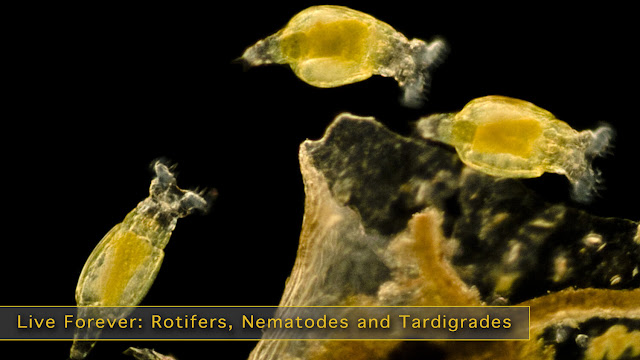
Rotifers, Nematodes and Tardigrades Stock Microscopic Photography
Roti fers (Philodina sp.), Light Micrograph The bdelloid rotifer, found in freshwater habitats all over the world, is able to withstand ex...
-
Roti fers (Philodina sp.), Light Micrograph The bdelloid rotifer, found in freshwater habitats all over the world, is able to withstand ex...
-
s it a twig or an insect? A harmless moth or a scary owl? Animals have amazing tricks up their sleeves to protect themselves, take adva...
-
The idea of bacteria creeping through your body might be less than appetizing. We often associate the presence of bacteria in our bod...